
How can I get my other kids to participate in their autistic siblings’ ABA therapy?
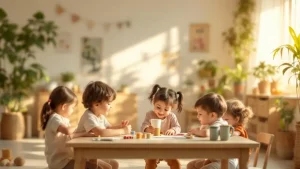
Siblings play a powerful role in your child’s development, and including them in ABA therapy can make a meaningful difference. Through everyday interactions, children learn skills in real-life situations, social abilities develop more naturally, and sibling relationships grow stronger and more positive. At home, siblings can help by playing together in simple, structured ways—taking turns during games, sharing toys, and engaging in pretend play. These moments should be kept short, fun, and guided. Siblings can also model good communication by using simple language, showing how to ask for help, and demonstrating calm behavior, as children often learn best from other children. Celebrating positive behavior is just as important—encourage siblings to say “good job,” give high-fives, and cheer for small successes, as positive attention increases progress.
For parents, it’s important to keep interactions brief (about 10–15 minutes), give clear and simple directions, supervise play, and focus on making the experience enjoyable rather than a task. Avoid forcing participation, expecting siblings to take on a teaching role, or overlooking their feelings. Open conversations are also key—help siblings understand that their brother or sister learns in a different way, that being patient and kind is helpful, and that it’s always okay to ask questions. This builds empathy and reduces frustration. Simple activities like board games, building blocks, pretend play (such as playing kitchen, doctor, or school), and “ask and answer” games are great ways to practice these skills. Remember, your child doesn’t just learn during therapy sessions—they learn through everyday moments with you and their siblings, and those small interactions can lead to big progress.